
Hardware Product Development: From Idea to Production
A practical guide to the people, process, cost, timeline, and decisions that turn a hardware idea into a real product.
New to hardware development?
Start here

You have an idea for a physical product.
Maybe it is still a sketch on a napkin. Maybe you have a rough prototype sitting on your desk. Or maybe you are leading an innovation initiative inside an established company and need to figure out how to turn an opportunity into something real.
The hard part usually isn’t coming up with the idea. It’s figuring out what happens next.
What does hardware product development actually involve? Who needs to be on the team? How much should you budget? How long does it take to get from concept to prototype, and from prototype to production? When should you work with a product development firm instead of building internally?
Hardware product development is the process of turning an idea into a physical product concept and then into a functional, manufacturable product. Depending on the project, that can include research and development, industrial design, mechanical and electrical engineering, prototyping, testing, manufacturing preparation, tooling, quality systems, and production scale-up.
The goal is not simply to build a prototype.
The goal is to learn enough, early enough, to build the right product and give it a credible path to production.
What this guide covers
What Is Hardware Product Development?
Hardware product development is the process of taking a physical product from an idea to something that actually works, can be tested, and is ready to manufacture. It involves a lot more than designing the product itself. Depending on the product and project, it can include research and development, industrial design, mechanical and electrical engineering, prototyping, testing, manufacturing preparation, and support through production.
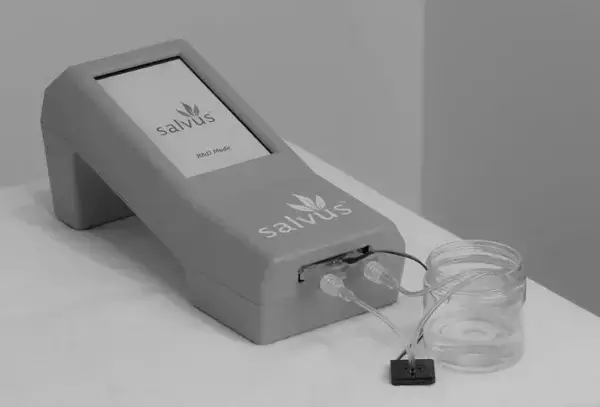
What does a hardware product development firm do?
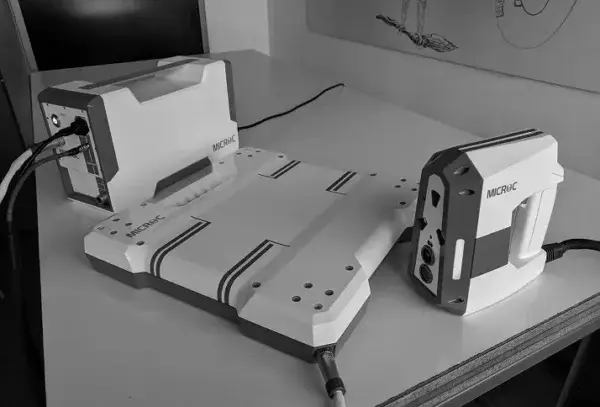
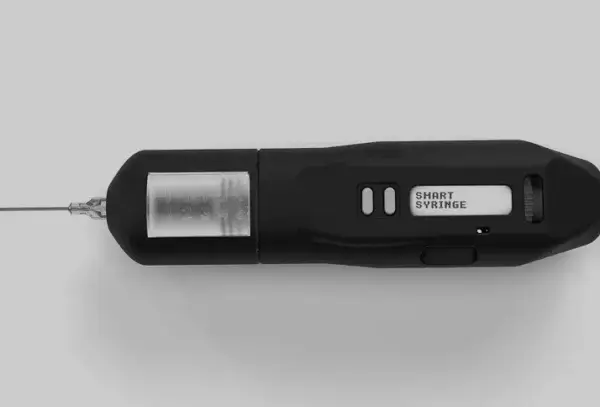
A hardware product development firm brings some or all of the expertise, equipment, and execution needed to move a product through development.
Depending on the project, that may include:
- Research and development
- Product strategy and requirements
- Industrial design
- Mechanical engineering
- Electrical engineering
- Firmware and software engineering
- CAD and computer analysis
- Prototyping
- Product testing and evaluation
- Design for manufacturing
- Supplier and contract manufacturer coordination
- Quality management systems
- Tooling and first articles
- Manufacturing scale-up
A good product development partner is not simply a pair of hands for one task. There is a lot of value in combining disciplines. A mechanical decision can affect electronics. A material choice can affect tooling. A change to a product requirement can affect testing. A manufacturing constraint can force a design change. The earlier those connections are understood, the fewer expensive surprises you have later.
Kickr brings these capabilities together under one team, with more than 30 engineers across multiple disciplines. That means you can bring in the expertise you need without having to coordinate a different firm for every part of the process. You can learn more about how we work below.
Who uses a hardware product development firm?
Hardware development partners can be useful for several types of people and teams:
Entrepreneurs and inventors may have a strong idea but lack the engineering, prototyping, or manufacturing capabilities to turn it into a working product.
Startup founders and CEOs may have funding and an internal team but need specialized engineering or hands-on development capacity.
CTOs and engineering leaders may need additional expertise, bandwidth, or a multidisciplinary team for a specific product initiative.
Corporate innovation and R&D teams may have the product opportunity and business case but need a partner to accelerate experimentation or extend an overloaded internal team.
Kickr has worked with all of these, including situations where the partner supplements an existing internal organization rather than replacing it.
What types of products can be developed?
“Hardware product” covers a huge range of products, including:
- Consumer products
- Connected devices
- Wearables
- Electromechanical products
- Industrial equipment
- Automation systems
- Medical devices
- Specialty tools and equipment
- Products with embedded electronics
- Products that combine hardware and software
The development approach changes with the product.
| Product type | Disciplines typically required | Regulatory load | Relative complexity |
|---|---|---|---|
| Simple mechanical consumer product | ID, ME, prototyping, DFM | Low | ● ○ ○ ○ ○ |
| Electromechanical product | +EE, materials | Low-Med | ● ● ● ○ ○ |
| Connected device/wearable | +firmware, RF, power, app | Med | ● ● ● ● ○ |
| Medical device (Class II) | +design controls, V&V, QMS | High | ● ● ● ● ● |
| Industrial equipment/automation | ME, EE, controls, safety | Med-High | ● ● ● ● ○ |
When should you bring in a product development partner?
There is no single right moment to bring in a product development partner. A partner can be useful at the beginning when you need help determining whether the idea is technically feasible. It can also make sense later when you have a concept, CAD, or prototype but need help with engineering, testing, manufacturing, or scale.
Our team specifically supports projects ranging from an early idea with no clear next step to products that already have prototypes and need to progress toward manufacturing.
Rule of Thumb:
Bring in the expertise you need before a missing capability becomes an expensive constraint.
What Happens When You Develop a Hardware Product?
The most important thing to know here is that there is no single linear process that works for every product. Not every product (or team) requires every step.
High-Level Steps of the Process:
Research and Development (R&D)
Project Planning & Strategy
Brainstorming & Conceptualization
Industrial Design
Engineering & Development
Design Experiments
First Full Prototype
Prototype Testing
Revised Prototype(s)
Additional Testing & Customer Feedback
Optimization for Manufacturing
Contract Manufacturing Communication & Setup
Quality System Design & Implementation
Tooling Creation & First Articles
Manufacturing Scale-Up
Note:
Not every step is required for every project. We customize the process to align with your goals efficiently and effectively.
Before committing to a design, you need to understand the problem, the users, the technical constraints, and the opportunity.
R&D may include technical research, competitive review, feasibility analysis, experiments, user research, or early proof-of-concept work.
The goal is to reduce uncertainty before spending heavily on downstream development.
Once the opportunity is understood, the team defines what success looks like.
That includes questions such as:
What must the product do?
Who will use it?
What constraints matter most?
What needs to be proven first?
What is the target production volume?
What regulatory or certification requirements apply?
What does the project need to achieve before the next investment decision?
Good planning is not about creating a rigid schedule that survives unchanged. It is about identifying the decisions and risks that need to be managed.
Now you can explore possible solutions.
Concept development may include sketches, concepts, CAD, calculations, visualizations, and early experiments. The purpose is to compare approaches before committing to one.
The best concept is not necessarily the most complicated one. It is the one that solves the actual problem while giving the product a credible path to development and manufacturing.
Industrial design translates product requirements into the physical experience of the product.
That can include:
Form
Ergonomics
Appearance
User interaction
Materials and finishes
Physical interfaces
Overall product architecture
For consumer products especially, industrial design has to balance desirability with functionality, engineering requirements, cost, and manufacturability.
This is where concepts become technically defined products.
Depending on the product, engineering can include:
- Mechanical design
- Electrical design
- PCB development
- Firmware
- Software integration
- Materials selection
- Structural analysis
- Tolerance development
- Thermal considerations
- Power management
- Design documentation
Engineering should exist throughout the process, not the final step after the product has already been designed.
Not every question requires multiple prototypes.
Sometimes a small experiment, test fixture, simulation, breadboard, calculation, or proof-of-concept can answer an important question more quickly and cheaply.
This is one of the central ideas behind efficient hardware development: Build the smallest thing that can answer the biggest question.
Eventually, you need to bring the product together. That does not necessarily mean the final version.
A prototype should have a specific purpose. It might be intended to demonstrate the concept, test functionality, evaluate ergonomics, support investor conversations, gather customer feedback, or validate engineering assumptions.
Note that not all prototypes are created for the same purpose. A look-alike model, investor prototype, and fully functional validation prototype can require very different approaches.
Testing should be tied to the questions the prototype is intended to answer.
You may test:
Function
Performance
Durability
Usability
Fit and ergonomics
Environmental conditions
Electrical behavior
Mechanical performance
User interaction
Testing is where assumptions meet reality.
The first build teaches you something. The next build applies those lessons. Then you test again.
That loop is not evidence that development failed. It is how development works.
As the design matures, the team can introduce broader testing and customer or user feedback.
The type of feedback matters. “I don’t like it” is less useful than understanding why the user struggles, what requirement is not being met, or what behavior the design should support.
A product that works once is not necessarily ready to be manufactured repeatedly.
Design for manufacturing, or DFM, focuses on optimizing components for the specific manufacturing processes that will produce them and creating the documentation and quality processes needed for consistent production.
This is where decisions about materials, tolerances, part count, assembly, tooling, supplier capabilities, and production economics become especially important.
Manufacturing is a communication problem as much as a production problem.
The manufacturer needs enough information to understand exactly what is being built, how it should be built, what materials and specifications apply, and how quality will be evaluated.
A strong manufacturing handoff reduces ambiguity between the development team and production team.
Not every product requires the same level of quality-system rigor.
For regulated products, however, formal quality processes may be an integral part of development rather than an afterthought. Medical-device development, for example, can require design controls, risk management, verification, validation, documentation, and quality systems.
For products that move into tooling-based production, production tooling is a significant transition point.
The first production-intent parts are used to confirm that the tool, process, materials, and design are producing the expected result.
The final step is not simply “make more.”
Production scale-up means establishing a repeatable process that can produce the product at the required quality, cost, and volume.
Not every project needs every step above. The right process is the one that answers the project’s actual technical, commercial, and manufacturing questions without adding unnecessary work.
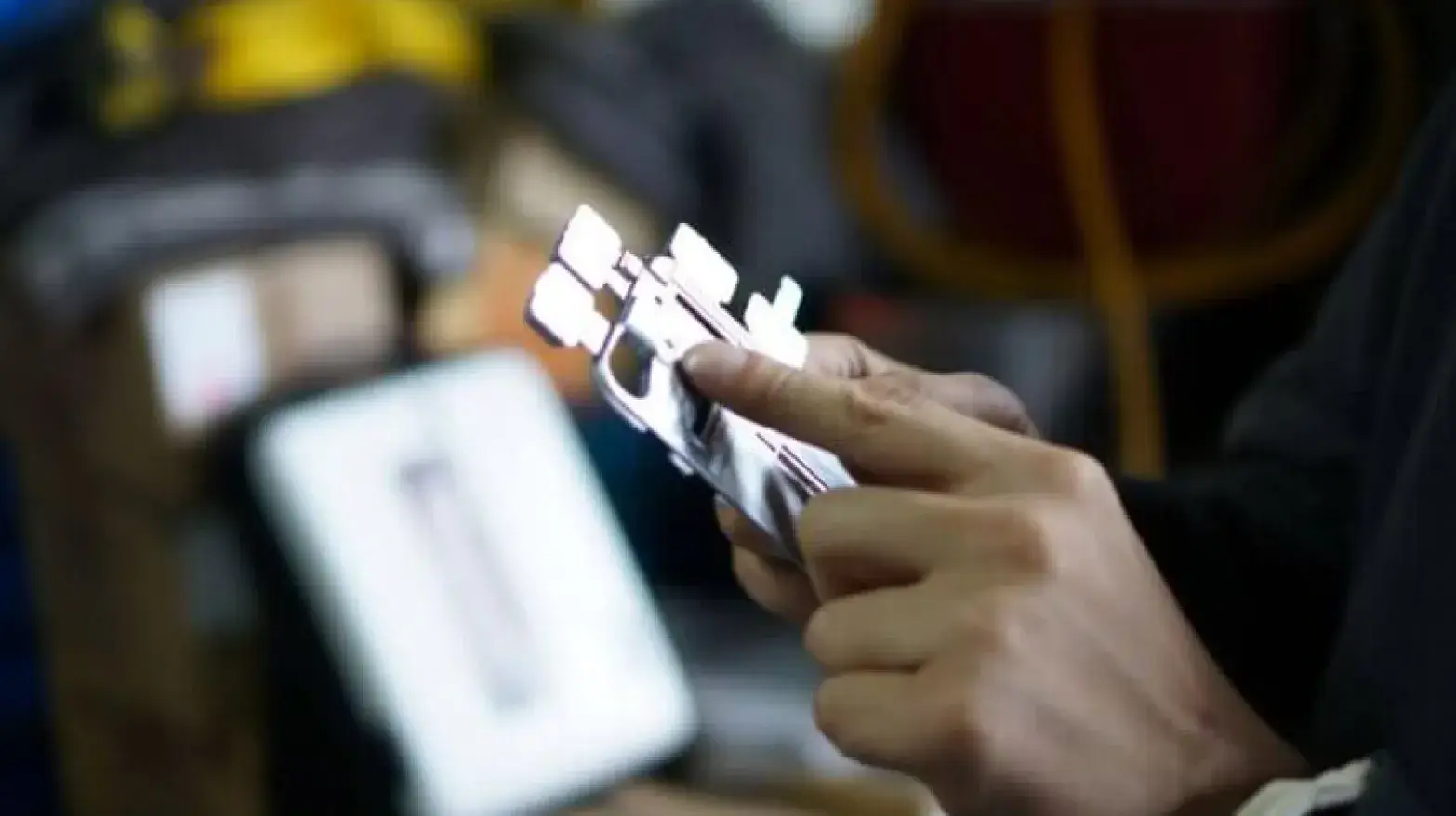
Learn More: How Do I Take a Hardware Product from Concept to Commercialiation?
How Much Does Hardware Product Development Cost?
There is no single average cost for developing a hardware product. The total depends on the product’s complexity, the capabilities required, the number of iterations, testing requirements, manufacturing strategy, regulatory path, and how far the project needs to go toward production.
See more in our Product Development
Pricing Guide.

What does it cost to develop a hardware product?
Below, we’re sharing real examples to illustrate the range of costs rather than presenting one misleading “average” price. You can view them below.
| Project Type | Recent Kickr Example | Included in the Cost Estimate |
|---|---|---|
| Brainstorming & conceptualization | $2,700 | Concept presentation with multiple design options and next steps |
| Simple consumer product development | $12,000 | Prototype-ready design for a simple consumer product with plastic parts |
| Medical device design | $36,675 | Functional prototype for Phase 0 testing, pre-FDA approval |
| Custom electrical and software system | $56,500-$73,000 | Fully functioning prototype with production readiness |
| Smart tracking wearable | $489,000-$590,000 | Next-gen tracking device ready for mass production |
These are examples of completed or scoped Kickr project types, not universal price bands or guarantees for a new project. The differences illustrate why product-development cost must be tied to actual scope and technical requirements. These are also just examples. Costs can vary based on needs.
A simple mechanical product and a connected wearable are not comparable development projects. Treating them as if they are is one of the easiest ways to create an unrealistic budget.
Hardware product development cost by phase
The most useful way to think about product development cost is not as one giant number. It is a series of investments tied to specific questions and deliverables.
| Phase | What you’re paying to accomplish |
|---|---|
| Research & feasibility | Determine whether the opportunity and technical approach are viable |
| Concept & strategy | Define the product direction and make key early decisions |
| Industrial design | Turn the concept into a technically defined product |
| Engineering | Build physical evidence and test assumptions |
| Prototyping | Establish the product’s physical form, experience, and design direction |
| Validation | Determine whether the product meets defined requirements and user needs |
| Manufacturing preparation | Make the design suitable for a repeatable production process |
| Tooling & first articles | Create production tooling and confirm initial production parts |
| Scale-up | Establish a repeatable manufacturing process and production flow |
Our pricing approach is deliberately customized. Before a project begins, we scope the activities required and provide a detailed cost breakdown based on those activities rather than applying an off-the-shelf price. Its stage-gate model also creates decision points where the client can review direction and authorize the next stage.
Want the numbers in one place? Download Kickr’s Product Development Pricing Guide for a deeper look at the factors behind project pricing.
How much does a prototype cost?
A hardware prototype can cost thousands of dollars or substantially more, depending on what the prototype needs to prove.
A prototype built to demonstrate appearance is different from a functional prototype built to validate a complicated mechanical system. An electronics prototype with custom hardware and firmware is different again.
You should instead ask:
“What do I need this prototype to prove?”
That answer should drive the prototype’s complexity and budget.
What does it cost to take a prototype to production?
The cost of moving from prototype to production depends on how production-ready the prototype already is and what manufacturing, tooling, testing, certification, and quality requirements remain.
A prototype may prove that a product works without proving that it can be manufactured repeatedly, economically, and consistently.
Why do product development quotes vary so much?
Two firms can quote the “same product” and come back with dramatically different numbers because they may not actually be quoting the same scope.
One proposal might include:
- Product strategy
- Industrial design
- Mechanical engineering
- Electrical engineering
- Firmware
- Multiple prototype iterations
- Testing
- DFM
- Manufacturing support
Another might cover only CAD and one prototype.
Before comparing price, compare scope. The cheapest proposal can become the most expensive one if critical work was simply left out.
How Long Does Hardware Product Development Take?
Hardware product development can take anywhere from a focused short engagement to a much longer multidisciplinary development program. There is no meaningful universal timeline without knowing what the product needs to accomplish, what has already been developed, how many iterations are likely, and whether the project includes manufacturing and regulatory work.
That is why a credible timeline should be built from scope rather than copied from a generic “12-step” product-development diagram.
Typical hardware product development timeline
A useful way to visualize the journey is:
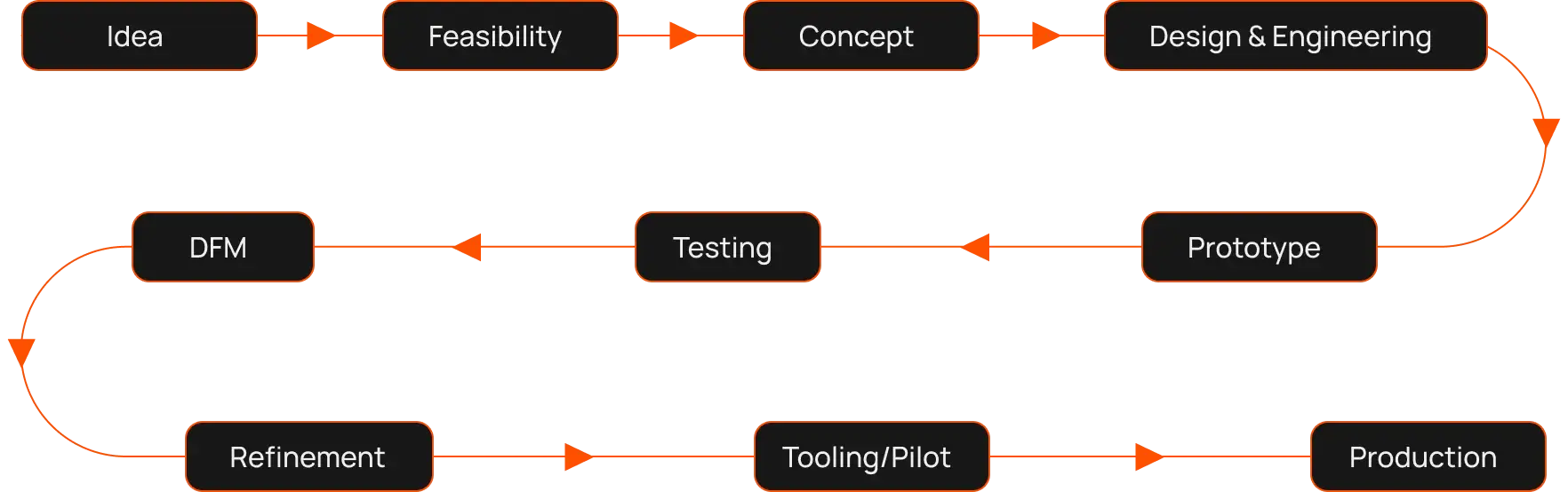
- Idea
- Feasibility
- Concept
- Design & Engineering
- Prototype
- Testing
- DFM
- Refinement
- Tooling/Pilot
- Production
Some projects move through these stages quickly. Others require deeper experimentation or multiple design iterations. Our process is always customized to the project, because we know not every development step is required for every product.
How long does it take to build a prototype?
The time required to build a prototype depends on what the prototype needs to prove.
A simple appearance model can be relatively straightforward. A functional prototype that combines custom mechanical components, electronics, firmware, and testing requires significantly more work.
The shortest route is rarely “design everything, then build.”
A more efficient approach is to identify the biggest unknowns first and use design experiments or smaller prototypes to answer those questions before committing to a full build.
How long does it take to go from prototype to production?
The answer depends heavily on the manufacturing process, tooling requirements, validation, testing, regulatory path, production volume, and how close the prototype is to a production-ready design.
The important point is that a functional prototype does not automatically equal a production-ready product.
Before production, the design may still need DFM, supplier coordination, tooling, first articles, pilot production, testing, documentation, and process development.
What causes product development timelines to slip?
Common causes include:
- Unclear requirements.
If the team does not agree on what the product must do, design decisions keep changing. - Unresolved technical questions.
Problems discovered late take longer to fix. - Too much design before testing.
A lot can be learned from a small experiment or early prototype. - Late manufacturing involvement.
A design that looks good in CAD may need substantial changes to manufacture efficiently. - Supplier constraints.
Component availability, tooling, lead times, and manufacturing capabilities can affect the schedule. - Regulatory or testing requirements.
Regulated products can require more formal documentation, testing, verification, validation, and quality processes. - Scope changes.
New requirements are sometimes unavoidable, but adding major functionality late in development has consequences for both cost and schedule.
Read more about timelines slipping here.
What Makes a Hardware Product More Difficult to Develop?
Not all hardware products are equally difficult. The complexity of the product affects the number of disciplines involved, the number of design decisions that need to be validated, the testing required, and ultimately the cost and timeline.
Mechanical complexity
The answer depends heavily on the manufacturing process, tooling requirements, validation, testing, regulatory path, production volume, and how close the prototype is to a production-ready design.
The important point is that a functional prototype does not automatically equal a production-ready product.
Before production, the design may still need DFM, supplier coordination, tooling, first articles, pilot production, testing, documentation, and process development.
Mechanical complexity can come from:
- Moving assemblies
- Tight tolerances
- Load-bearing requirements
- Complex mechanisms
- Sealing
- Thermal requirements
- Structural requirements
- Difficult-to-manufacture geometry
A product with many interacting mechanical components creates more opportunities for tolerance stack-up, interference, wear, and assembly problems.
Electronics and firmware
Electronics can add substantial development work. A product may require custom PCB design, sensors, power management, embedded processors, communications, firmware, charging, or interaction with other hardware and software.
The more tightly integrated these systems are, the more important it becomes to develop and test them together.
Connectivity
Adding Bluetooth, Wi-Fi, cellular connectivity, or another communication system can introduce additional hardware, firmware, software, power, testing, and certification considerations.
The question is not simply whether a product can connect. It is how that connectivity needs to behave in the real environment where the product will be used.
Materials and tolerances
Material choice affects more than appearance.
It can affect:
- Strength
- Weight
- Flexibility
- Thermal behavior
- Chemical resistance
- Wear
- Manufacturability
- Cost
- Surface finish
Likewise, tighter tolerances can increase manufacturing complexity and cost. The right tolerance is not necessarily the tightest possible tolerance. It is the tolerance required for the product to perform reliably.
Regulatory requirements
Regulatory requirements can fundamentally change the development process. Medical devices are a good example. FDA design controls can include design planning, design inputs and outputs, design review, verification, validation, risk analysis, design transfer, change control, and design-history documentation for applicable devices.
ISO 13485 also establishes quality-management-system requirements specific to medical-device organizations and emphasizes regulatory requirements and risk management.
For regulated products, the regulatory path should be considered early because product requirements, testing, documentation, and claims can influence engineering decisions from the beginning.
Manufacturing volume
The number of units you expect to produce matters. A prototype or low-volume product may favor different processes than a product intended for high-volume production.
At higher volumes, production tooling and manufacturing optimization may make economic sense. At lower volumes, other processes may be more practical.
Volume should therefore influence product-development decisions before the design is finalized, not after.
Why Do Hardware Product Development Projects Need Multiple Prototypes?
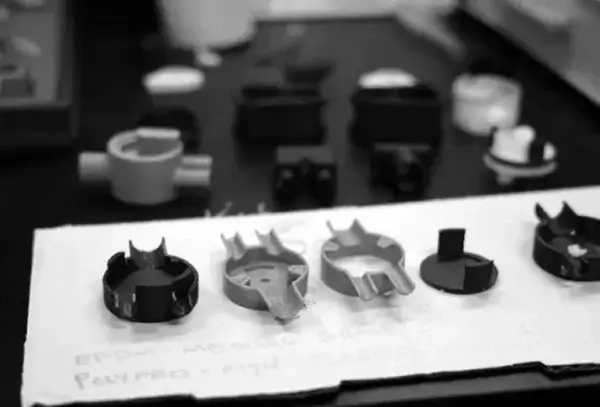
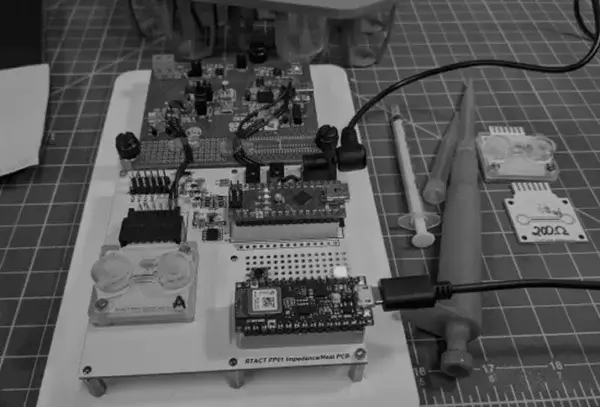
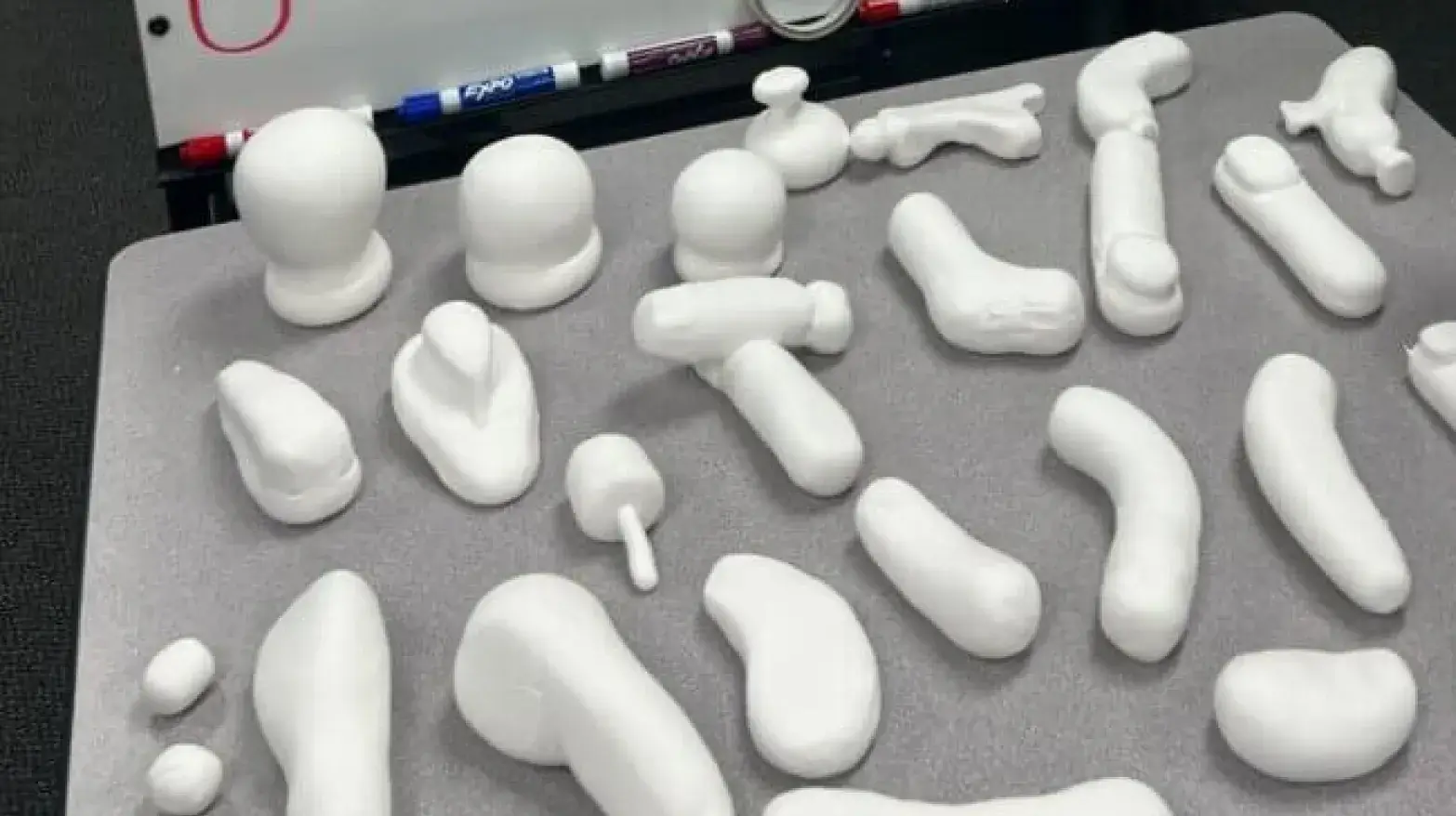
Multiple prototypes are normal because each prototype should answer questions the previous version could not. The purpose of prototyping is not to produce the perfect product on the first attempt. It is to turn assumptions into evidence.
A prototype isn’t a failed product
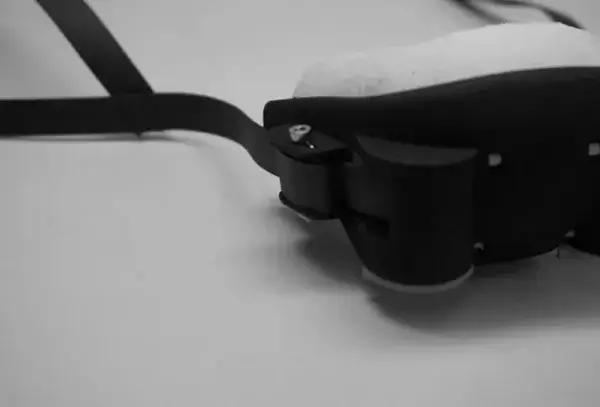
Your first prototype may not look polished. That does not make it a bad prototype. A prototype can be successful if it discovers a critical problem, disproves an assumption, confirms a mechanism, validates an interaction, or shows that a concept needs to change.
A prototype is a significant step in research and development, not necessarily a finished product ready for store shelves.
What you’re learning from each prototype
A prototype might answer:
- Does the mechanism work?
- Does the product fit the user’s hand?
- Can the housing survive expected use?
- Does the electronics architecture work?
- Does the sensor perform as expected?
- Can the product be assembled?
- Does the product feel intuitive?
- Does the design survive testing?
- Can the design be manufactured consistently?
The important thing is to define the question before deciding what to build.
How many prototype iterations should you expect?
There is no responsible universal answer. The number of iterations depends on the complexity of the product, the number of unknowns, the testing requirements, and what the earlier prototypes reveal.
A simple mechanical product may move quickly. A product involving multiple engineering disciplines, difficult materials, regulatory requirements, or complex manufacturing may require substantially more iteration.
That is one reason a product-development quote should clarify what iteration is included rather than promising a fixed number of builds without understanding the project.
The cost of changing your product at different stages
One of the most important budgeting principles in hardware is that not all design changes cost the same amount.
An early change to a sketch or CAD model may be relatively inexpensive.
A change after custom tooling has been created can require tool modification or replacement.
A change after production has started can involve inventory, supplier changes, manufacturing disruption, testing, documentation, and rework.
The lesson is simple:
Find problems while they are still cheap to solve.
That is why early experimentation and intentional prototype testing are so valuable.
Learn More: The Hidden Costs of Cheap Prototyping
What Happens After You Have a Working Prototype?
A working prototype is a huge milestone. But it is not necessarily the finish line and doesn’t mean you’re ready for production.

- Prototype
- Validation
- DFM
- Tooling
- Production
- Testing/certification
- Pilot production
Design for manufacturing
Design for manufacturing, or DFM, is the process of optimizing a product’s components and design for the manufacturing processes that will produce them. The goal is to create a product that can be manufactured consistently, efficiently, and predictably.
Injection molding and tooling
Injection molding can be an effective production process for many plastic products, but it introduces upfront tooling considerations. A common mistake is to think of injection molding tooling as simply “the cost of making a mold.” But the larger question is,
“Does this tooling investment make sense for the production strategy you’re planning?”
The answer changes significantly depending on volume and product requirements.
Pilot production
Pilot production is an opportunity to find problems under production conditions before full-scale manufacturing. This can reveal issues that do not appear when making one prototype by hand. A pilot run is not about proving that you can make one product. It is about learning whether you can make the product repeatedly.
Testing and certification
The testing required depends on the product and its intended use. Some products may need straightforward functional testing. Others may require safety, environmental, electromagnetic, performance, human-factors, or regulatory testing. Do not assume certification is something to “add at the end.” Requirements can affect product architecture and design decisions much earlier.
Manufacturing handoff
A successful handoff means the manufacturer has what it needs to reproduce the product correctly. The quality of this handoff can directly affect what happens next.
Should You Build Your Product In-House or Work With a Development Partner?
The right choice depends on the capabilities you already have, what the product requires, how quickly you need to move, and whether you need one specialized skill or a multidisciplinary team.
There is no automatic winner between in-house and outsourced development.
When in-house development makes sense
- You already have the necessary engineering capabilities.
- The product requires deep knowledge of your internal systems or operations.
- The work represents a long-term core capability for your organization.
- You have enough internal bandwidth to support the project.
- You need continuous internal ownership of the development process.
When an external partner makes sense
- You need skills your team does not have.
- Your existing engineers are already overloaded.
- You need several engineering disciplines at once.
- You need physical prototyping infrastructure.
- You need specialized manufacturing knowledge.
- You need to accelerate a development effort without making permanent hires.
Your internal team may understand your business and constraints better than anyone outside the organization.
When a hybrid approach makes sense
For many organizations, the best answer is neither “all internal” nor “all outsourced.” A hybrid model can put the internal product owner or engineering team in control while an external partner contributes specific expertise or execution capacity.
That might mean:
Your team
Entrepreneurs and inventors may have a strong idea but lack the engineering, prototyping, or manufacturing capabilities to turn it into a working product.
Partner
Startup founders and CEOs may have funding and an internal team but need specialized engineering or hands-on development capacity.
This model can be especially useful for established companies that already have engineering resources but need additional bandwidth or specialized expertise.
What capabilities do you actually need?
Before hiring anyone, make a simple capability map. Then, make a decision based on the gaps. You may discover that what looked like a mechanical-design project actually requires 5 different disciplines.
| Capability | Do we have it internally? | Do we need outside support? |
|---|---|---|
| Product Strategy | Yes | No |
| Industrial Design | ||
| Mechanical Engineering | ||
| Electrical Engineering | ||
| Firmware/Software | ||
| Prototyping | ||
| Testing | ||
| DFM | ||
| Manufacturing | ||
| Quality/Regulatory |
How Do You Choose a Hardware Product Development Partner?
Choose a product development partner based on the people who will actually do the work, relevant technical capabilities, how the firm handles uncertainty and iteration, the clarity of its scope, and what happens after the prototype.
What capabilities should a development partner have?
The answer depends on your project. At minimum, you should understand whether the firm can provide or coordinate the disciplines your product requires.
That may include:
- Industrial design
- Mechanical engineering
- Electrical engineering
- Firmware
- Software integration
- Prototyping
- Testing
- Manufacturing
- DFM
- Quality systems
- Regulatory support
You should also ask whether those capabilities are genuinely integrated or simply subcontracted to separate vendors.
What should you ask before hiring a firm?
Ask questions you can use with any firm:
- Who will actually work on my project?
- Can I meet the engineers before signing?
- What products similar to mine have you developed?
- Can you show me a project that did not go according to plan?
- How do you approach iteration?
- What happens when requirements change?
- What does your team handle internally?
- What do you outsource?
- How do you approach manufacturing?
- What happens after the prototype works?
More questions you should ask here. We recommend evaluating the actual delivery team, asking for evidence of how firms handle problems, understanding project fit, and reading the contract carefully before signing.
What capabilities should a development partner have?
Never compare the total price alone.
Compare:
- Scope:
Are you buying the same work? - Deliverables:
Are you receiving CAD, drawings, prototypes, documentation, test results, and other outputs? - Iterations:
How many rounds of development are assumed? - Testing:
Which tests are included? - Manufacturing:
Is DFM included? Is supplier coordination included? Is tooling included? - Project management:
Who owns the development process? - Exclusions:
What could trigger additional cost?
Two proposals should only be considered financially comparable when you understand what both are actually delivering.
What should be included in a statement of work?
A strong statement of work should make the project understandable to someone who was not in the sales conversation.
At minimum, look for:
- Project objectives
- Scope of work
- Major activities
- Deliverables
- Assumptions
- Client responsibilities
- Timeline or milestones
- Pricing structure
- Change-management process
- Approval points
- Intellectual property terms
- Ownership of design files and deliverables
- Completion criteria
The more uncertainty the project has, the more important scope and decision gates become.
What happens to your IP and design files?
You should ask about this explicitly. Do not assume that intellectual-property ownership, CAD ownership, source files, engineering documentation, and licensing rights all mean the same thing.
Before signing, understand:
- Who owns the work product?
- What files will be delivered?
- In what format?
- Are source files included?
- Can you use the designs with another supplier?
- What happens when the project ends?
These questions belong in the contract, not in assumptions.
Should you choose a specialist or a multidisciplinary partner?
It depends on the problem.
A highly specialized firm can be an excellent choice when you have a well-defined technical need.
A multidisciplinary development partner can be more useful when your product crosses several areas, and you need those disciplines to work together.
For example, a connected physical product may require industrial design, mechanical engineering, electrical engineering, firmware, prototyping, testing, and manufacturing preparation.
Do you know which team structure gives this product the best path through its next set of unknowns?
Learn More: How to Evaluate a Product Development Firm Before Signing Anything
How Should You Budget for a Hardware Product?
A good hardware budget accounts for what you know, what you still need to learn, and what could change along the way. The more unknowns you have, the more important it is to leave room for iteration.
Separate development costs from manufacturing costs
Do not treat “product cost” as one bucket. There is a difference between development costs and production costs. You can spend significant money developing a product before ordering the first production unit.
That might mean:
Development costs
- Research
- Design
- Engineering
- Prototyping
- Testing
- Manufacturing preparation
Production costs
- Tooling
- Components
- Manufacturing labor
- Packaging
- Assembly
- Freight
- Quality inspection
- Certification
- Inventory
Budget for iteration
A prototype budget that assumes the first build will be the final build is usually an optimistic budget. Iteration is where you learn.
Budgeting for iteration is not budgeting for failure. It is budgeting for the development process you actually expect to happen.
Plan for contingency
Your contingency should reflect uncertainty. A project with well-defined requirements and a mature prototype has different risk from a project where key technical questions are unanswered.
The right contingency is therefore not simply an arbitrary percentage added to every project.
Understand what your quote does and doesn’t include
A quote should help you understand what your money buys.
Don’t spend the entire budget getting to the first prototype
This is one of the easiest mistakes for a hardware-curious founder or innovation team to make. You need enough budget to get meaningful evidence from the first build, but you also need room to respond to what you learn.
ASK: What do we need to prove first, and what investment will allow us to make the next decision confidently?
That keeps the development process tied to evidence rather than spending for spending’s sake.
You’re New to Hardware Development. What’s Next?
Talk to our team of engineers
You do not need to have every answer before you talk to a product development firm.
You can bring the napkin sketch, the rough CAD, the prototype that almost works, the internal innovation brief, the customer problem you cannot stop thinking about, or the idea that’s not fully formed. That’s what product development is for.
Kickr helps entrepreneurs, startups, established companies, and innovation teams move through the messy middle between a promising idea and a product that can actually be built. The team combines product design, engineering, prototyping, and manufacturing capabilities, with a process that is customized to the needs of each project.
Tell us what you’re building or dreaming, where you are in the process, and what you need to figure out. We’ll help you understand what comes next, what the project may require, and what a realistic path forward could look like.

Aaron Divell

Kyle Lemmermen

Karan Doshi
Join Kickr Labs
Not ready for a full development engagement? You may not be ready to talk to sales engineers and fully partner with a hardware development firm.
Kickr Labs is the only hardware-focused incubator in the Southeast. It gives hardware founders and product teams access to prototyping infrastructure, engineering expertise, mentorship, and a hardware-focused community in Atlanta. You’ll have access to our over 1,000 years of collective product design and engineering experience in bringing products to market.
We’re giving founders and entrepreneurs the space they need (outside of their garage at home!) to build, inventory, assemble, and test real products.

Hardware Product Development FAQ
Hardware product development is the process of turning a physical product idea into a working, tested, manufacturable product. It can include research and development, product strategy, industrial design, mechanical and electrical engineering, prototyping, testing, manufacturing preparation, tooling, quality systems, and production support.
There is no single cost for hardware product development because projects vary substantially in complexity and scope. Examples can range from $2,700 for brainstorming and conceptualization to $489,000–$590,000 for a smart tracking wearable ready for mass production, with other published examples including a $12,000 simple consumer product development project, a $36,675 medical-device prototype project, and a $56,500–$73,000 custom electrical and software system.
A hardware prototype can range from thousands of dollars upward depending on its purpose and complexity. The actual estimate is customized around the product and the services required.
There is no universal hardware product development timeline. The duration depends on the product’s complexity, existing development work, number of iterations, testing requirements, manufacturing process, production volume, and regulatory requirements.
There is no standard number. Each prototype should answer specific technical, functional, usability, or manufacturing questions. Simple products may require fewer iterations, while complex or regulated products may require substantially more.
A working prototype may be followed by validation, design for manufacturing, manufacturing preparation, tooling, pilot production, testing or certification, and production scale-up. A functional prototype does not automatically mean the product is ready for repeatable commercial production.
It depends on the capabilities you already have. If you need one specific technical skill, an individual specialist may be enough. If the project requires several disciplines, physical prototyping, manufacturing expertise, or broader development ownership, a product development firm may make more sense.
Both can work. In-house development makes sense when you have the necessary capabilities, bandwidth, and long-term need for the work. Outsourcing can make sense when you need specialized skills, additional capacity, multidisciplinary expertise, or physical development resources. A hybrid approach can combine internal product ownership with external engineering or development support.
Look beyond the sales pitch. Meet the people who will actually work on the project, ask about relevant experience, understand how the firm handles iteration and problems, compare proposals based on scope rather than price alone, and clarify ownership, deliverables, and change-management terms before signing.
The answer depends on the product and its manufacturing process. A product development partner can help determine appropriate manufacturing processes, prepare the design for manufacturing, and coordinate with contract manufacturers or suppliers.
Injection molding tooling cost varies based on factors such as part size and complexity, material, tool construction, tolerances, surface requirements, and production strategy. Tooling should be evaluated alongside expected production volume and unit economics rather than as an isolated expense.
The right manufacturing location depends on production volume, cost targets, quality requirements, supplier capabilities, logistics, intellectual-property considerations, and the complexity of the manufacturing process. Manufacturing strategy should be considered during development rather than after the design is finished.
Medical-device development can involve formal design controls, risk analysis, verification, validation, documentation, and quality-management requirements that do not apply in the same way to a standard consumer product. Applicable FDA requirements and ISO 13485 should be considered as part of the development strategy.