
Most medical device programs don’t stall because a test failed. They stall because a prototype went through two or three redesign cycles before anyone caught that the build didn’t match the design intent, the risk file, or the documentation trail behind it. For a consumer product, that’s a schedule hit. For a medical device, it’s a schedule hit, a design control gap, and a harder conversation with your quality team.
That’s the real answer to why medical device companies bring in a prototyping partner: not because they can’t build a prototype, but because building the *right* prototype, one that holds up under design controls and moves cleanly toward verification testing, takes a specific kind of engineering discipline that’s expensive to keep in-house at every stage of a program.
A medical device prototype is also part of your risk file
A prototype is a physical test of an idea. You build it, you learn from it, you iterate. Medical device prototyping carries that same purpose, plus a second job: every material choice, every mechanism, every iteration has to trace back to your design inputs and risk analysis under ISO 13485 and 21 CFR Part 820.
That changes what “good prototyping” looks like. A partner who treats a medical device prototype like a consumer gadget will optimize for speed and cost, then hand you a build that raises new questions in your Design History File instead of answering them. A partner who understands the regulatory weight behind the work will ask about your predicate devices, your sterilization requirements, and your intended verification tests before a single CAD file is opened. That upfront discipline is what keeps a device out of the redesign loop later, when a fix costs far more in time and documentation than it would have at the prototype stage.
What breaks when a partner doesn’t run in your QMS
Corporate device teams that are trimming in-house R&D still need front-end engineering work done. That’s the reality behind most outsourcing decisions right now: the demand for new devices hasn’t slowed, but the internal headcount to prototype them has. The gap gets filled by an external partner, and the quality of that fit depends entirely on whether the partner can operate inside your quality management system rather than around it.
A partner who can’t run in your QMS will still produce a working prototype. What they won’t produce is a paper trail your regulatory team can use. Missing sign-offs, inconsistent version control, and undocumented design changes don’t show up as a problem on day one. They show up during a design review, or worse, during an FDA submission, when someone asks for a record that was never generated. At that point, the cost isn’t measured in prototype iterations. It’s measured in program delay.
What engineering-led prototyping actually looks like
Two projects from our own medical work show the difference between a prototype that’s just functional and one that’s built to move a regulated program forward.
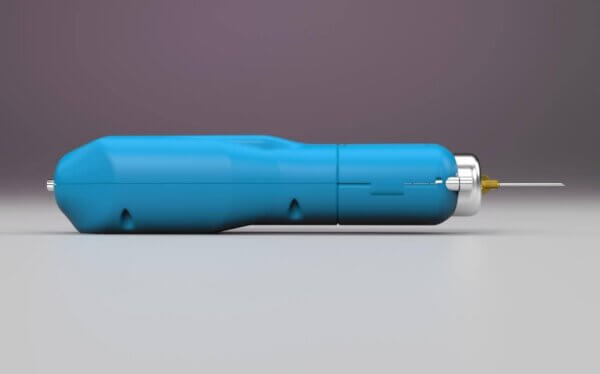
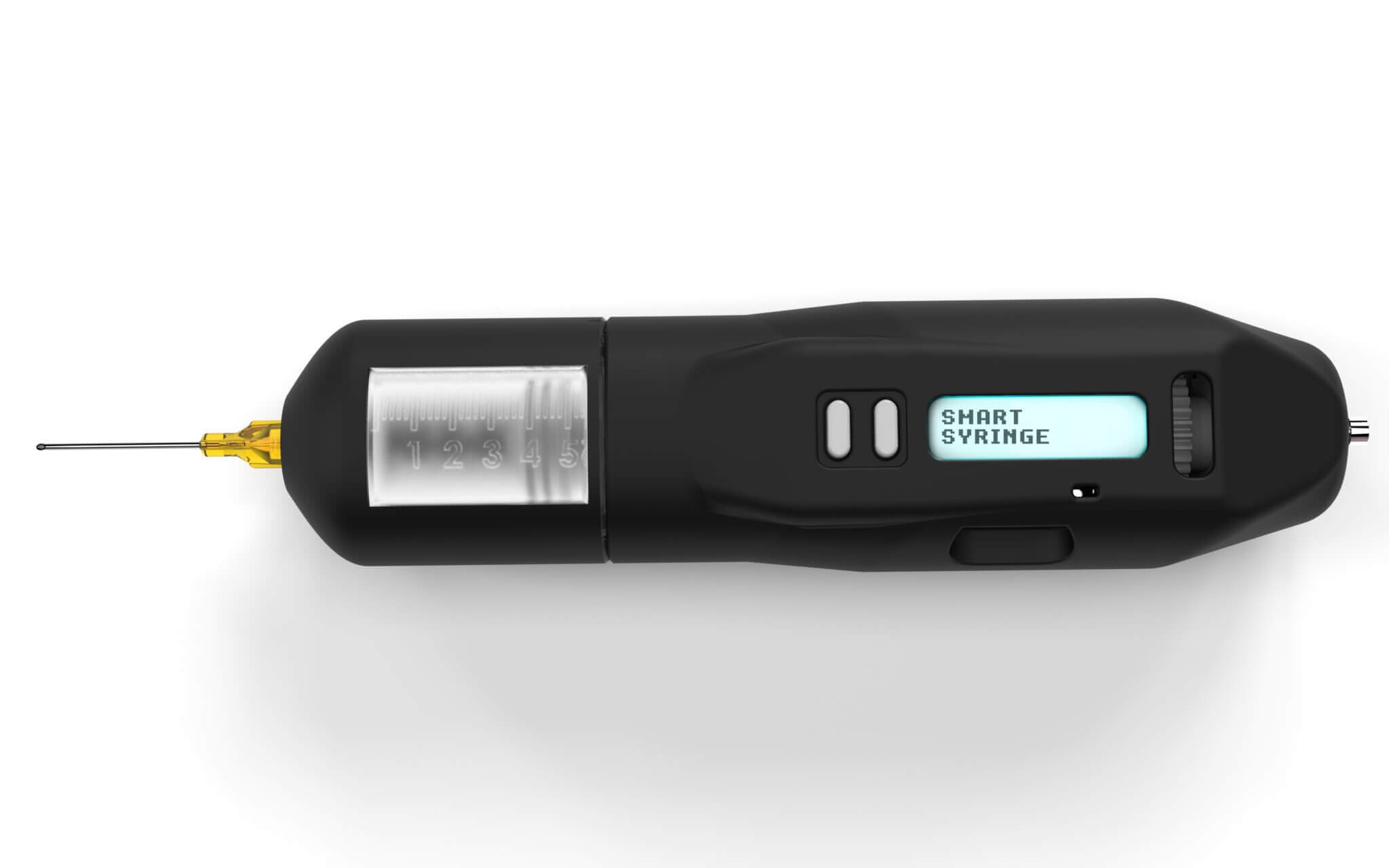
For Smart Syringe, an anesthesiologist’s concept for an IoT-connected dosing device, the challenge was fitting wireless connectivity, a motorized pump, and precision dosing controls into a compact, ergonomic housing without compromising medical-grade reliability. Our team developed the internal electronics, the user interface, and the external housing, then built a fully functional prototype ready for clinical testing, with usage logging and remote dosing controls built in from the start rather than bolted on after the fact.
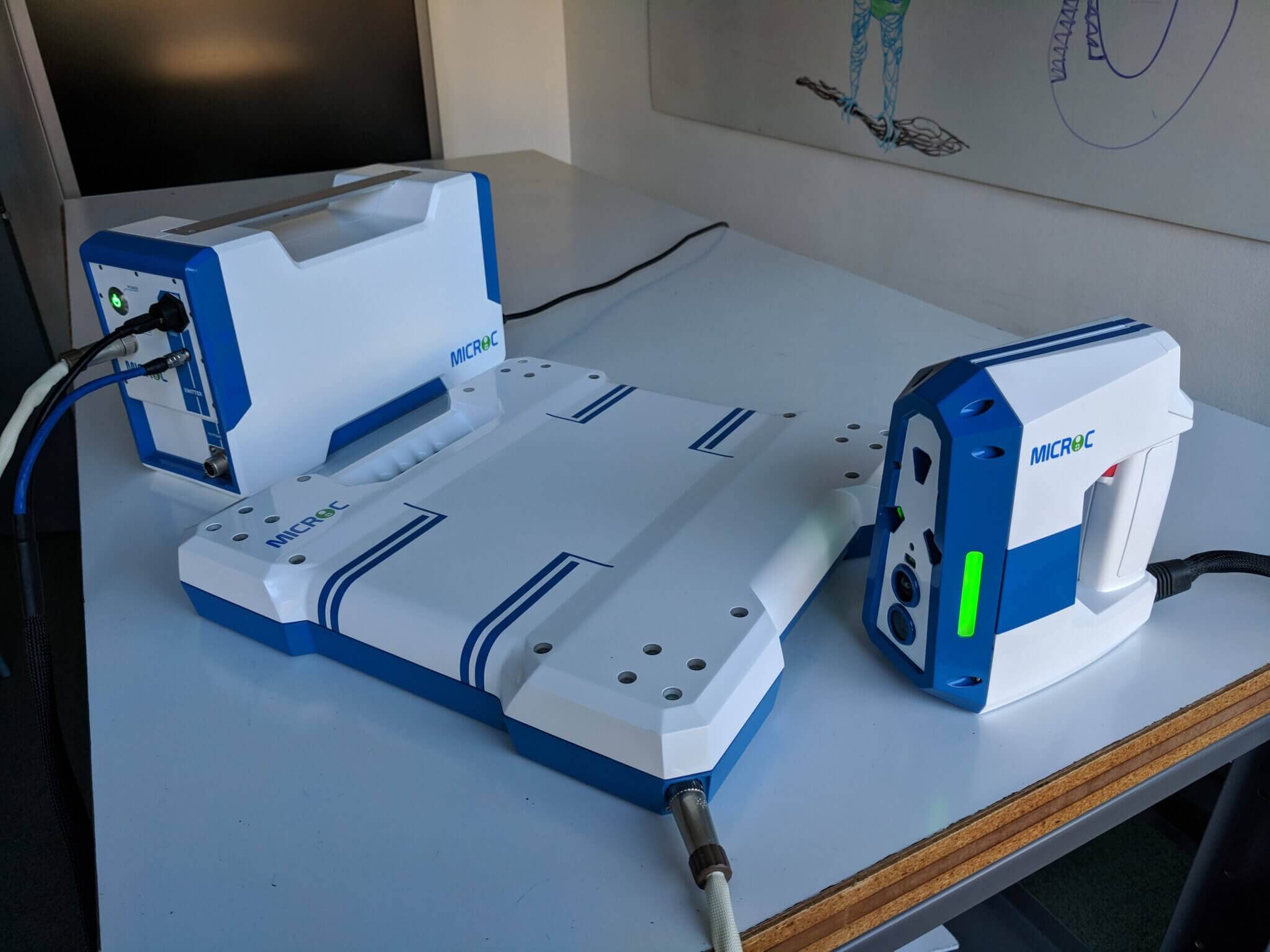
Micro-C, a portable Dynamic Digital Radiography device for orthopedic surgery, required a different kind of coordination: electrical engineering, mechanical engineering, industrial design, and firmware, all working toward a single portable system that met low-radiation safety standards and integrated with existing hospital infrastructure. That’s not a prototype built in isolation and handed off. It’s a build sequenced around the testing and certification path the device would eventually need to clear.
Neither project succeeded because a single prototype nailed the design on the first try. They succeeded because the engineering process behind each iteration was structured to produce a device and a record that could keep moving forward.
What to expect from a real prototyping partner
A partner worth bringing into a regulated program should be able to show you, specifically, how they:
- Scope feasibility and design inputs before starting a build, not after
- Document every design change in a way your quality team can actually use
- Move fluidly between prototyping and frozen design without a handoff gap
- Tell you plainly when a design choice will add testing burden or regulatory risk, even if it’s not what you want to hear
That last point matters more than it sounds. A partner who overstates what they can deliver, or glosses over the regulatory implications of a design decision, will cost you more time than one who’s upfront about the tradeoffs from the start. For example, if you tell us you want to change your design from mechanical to motorized, our first questions will be whether you understand the implications of ISO 60601 requirements for electronic devices, not just “sure, we can build that.”
If your team is evaluating how to add prototyping capacity without slowing down design controls, that’s exactly the conversation worth having early, starting with a scoped feasibility project rather than a full program commitment. See more of our medical device work or reach out to talk through where your program stands.